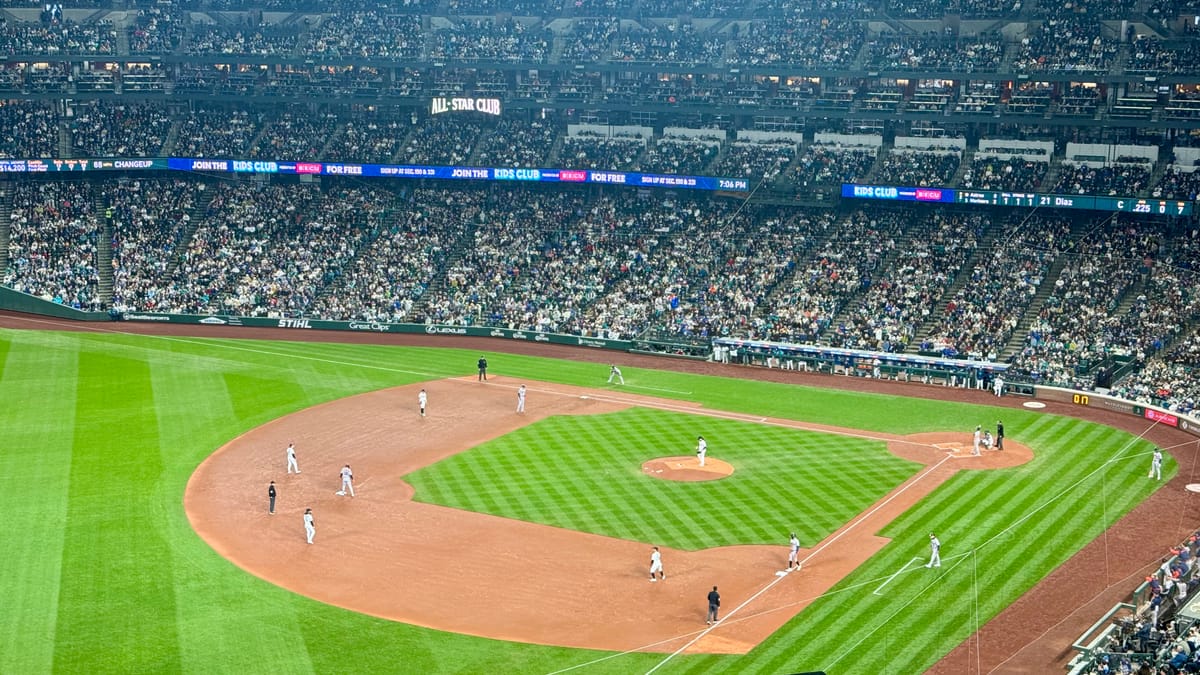
Play ball!


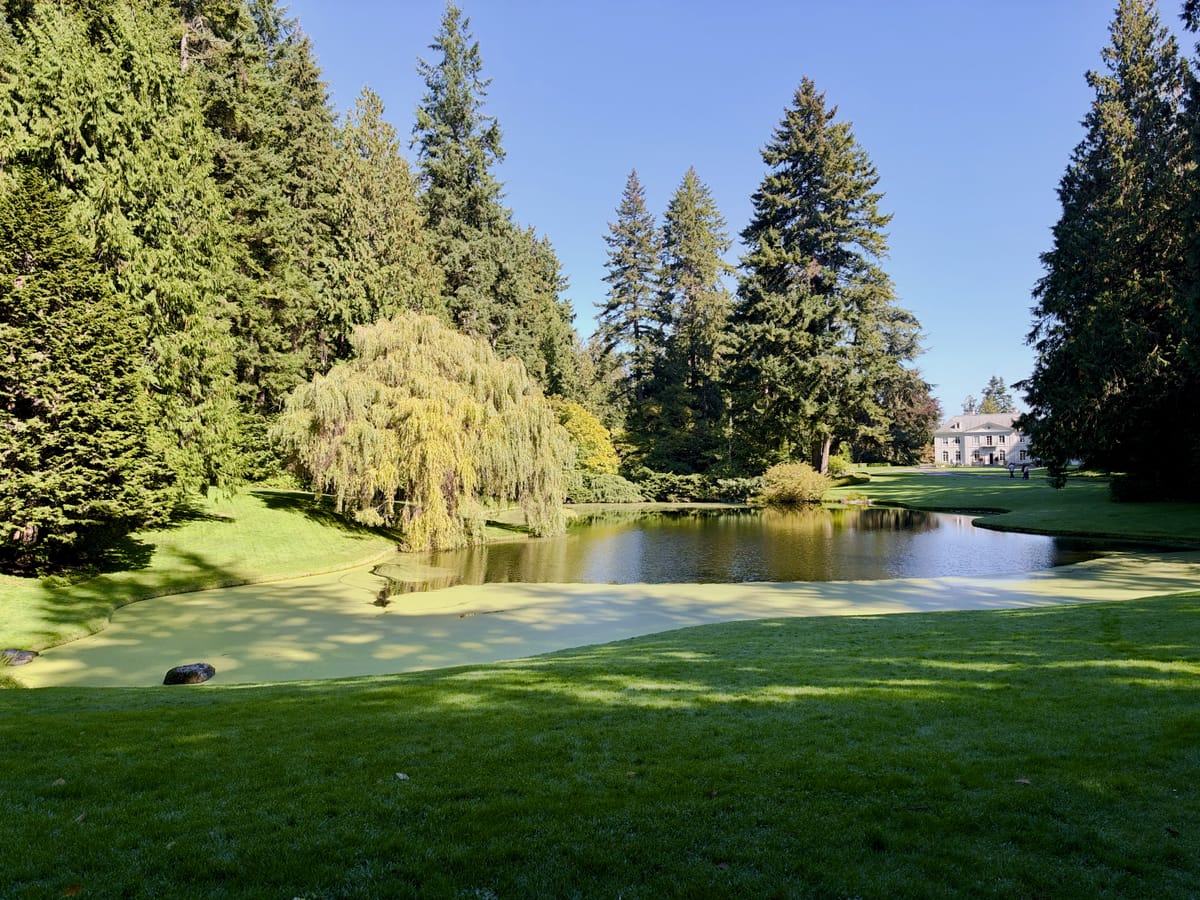
Play ball!

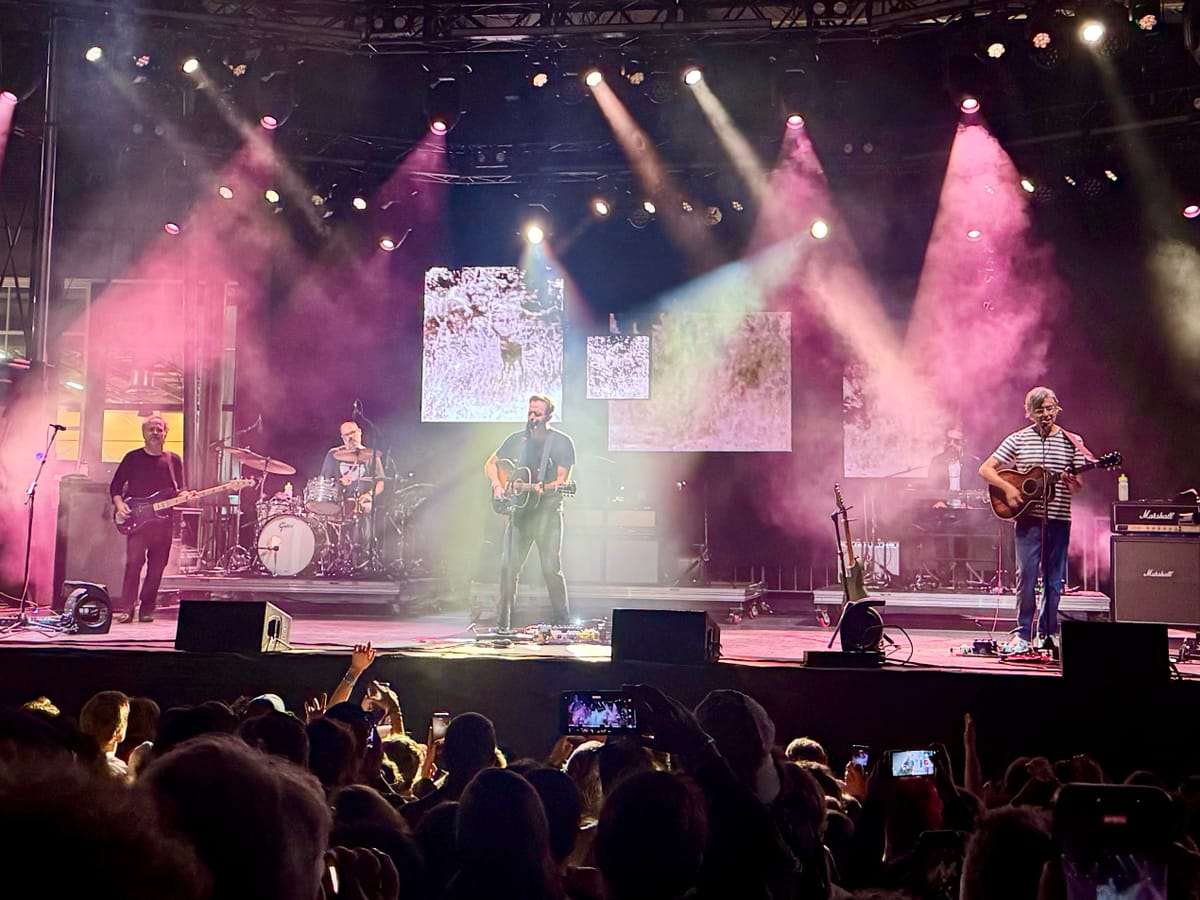
Up in lights.

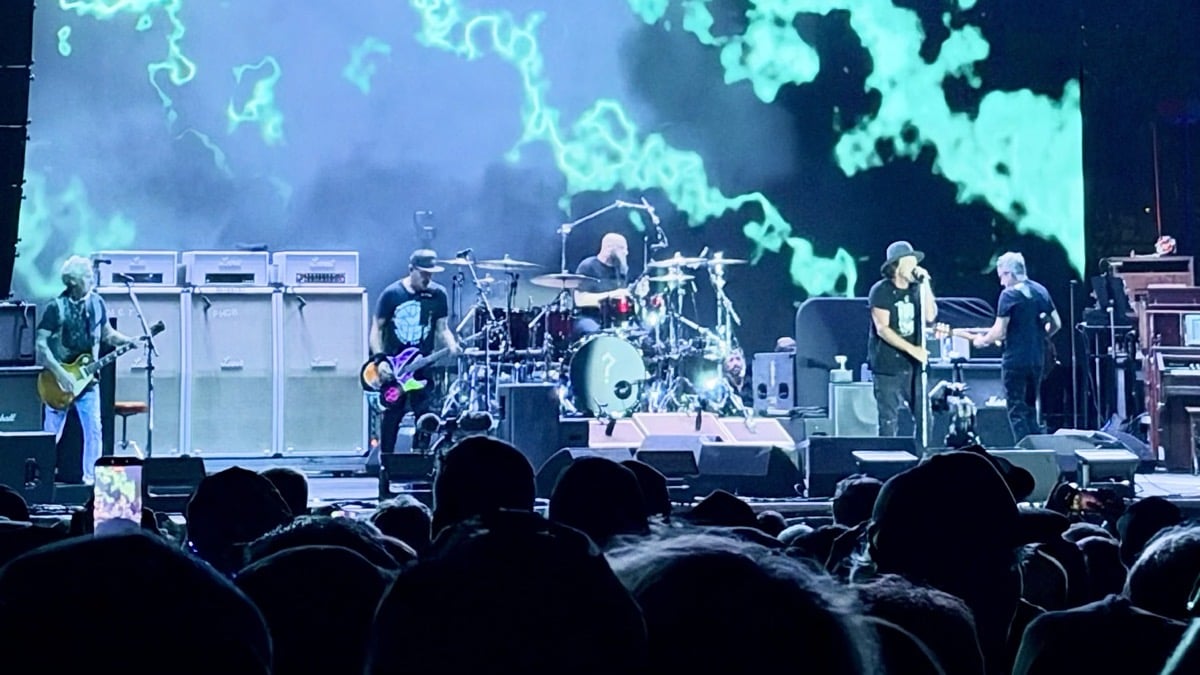
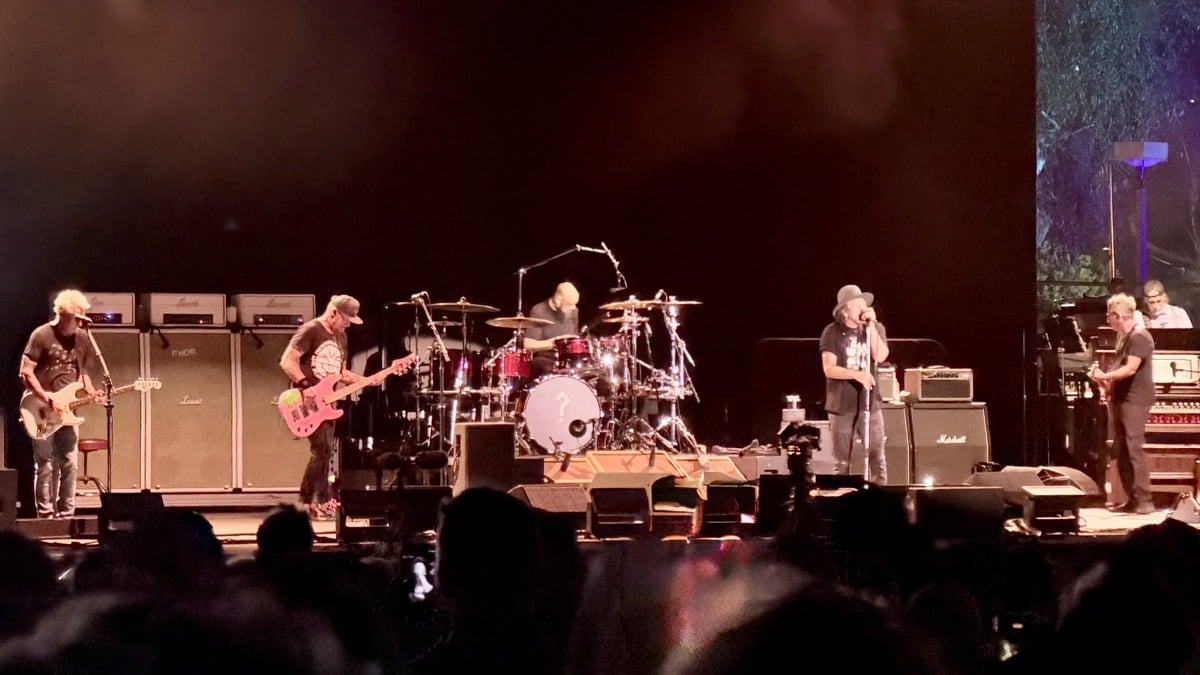
“Perfect is a fault, and fault lines change.” Jason Narducy and Michael Shannon play R.E.M

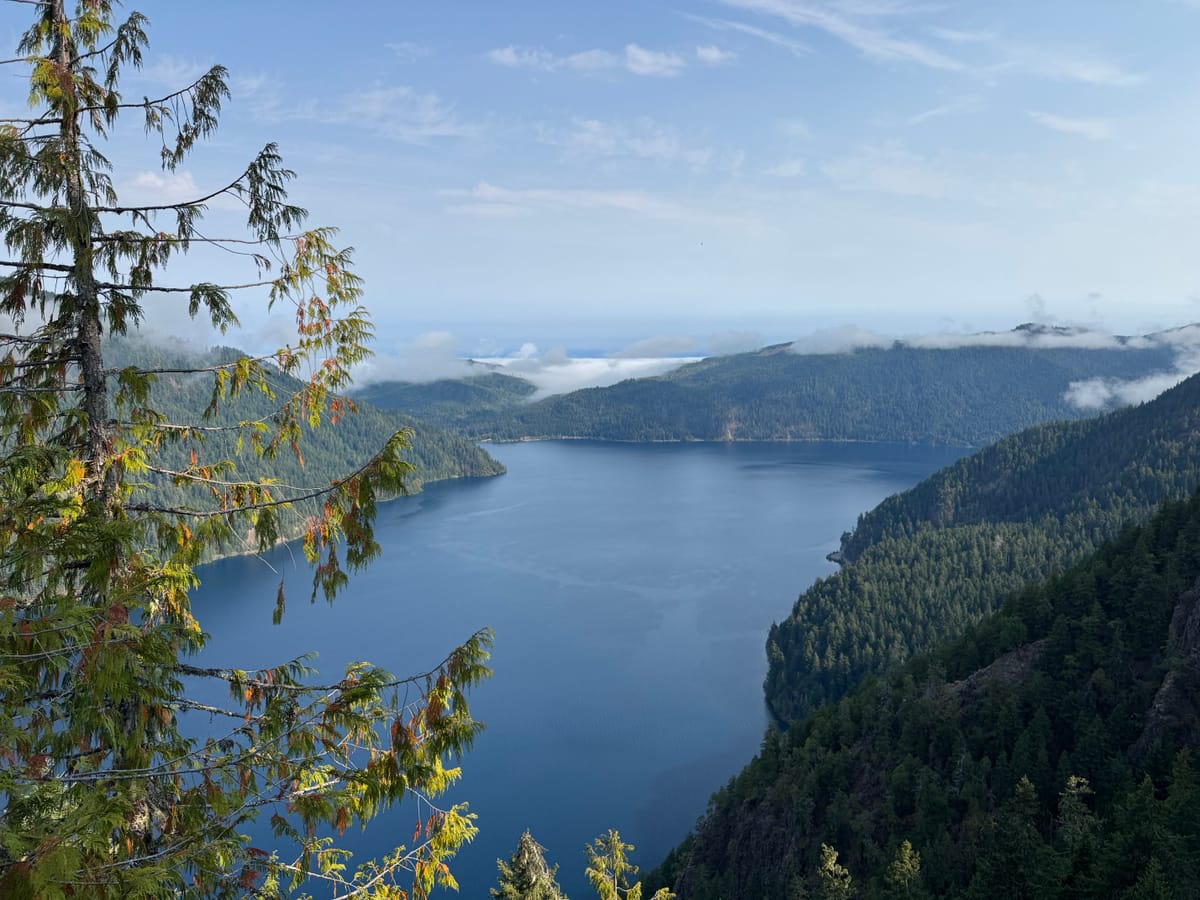
Always a good decision.
Overheard at work:
there’s a backup in the same sense that if the power goes out you can light a candle

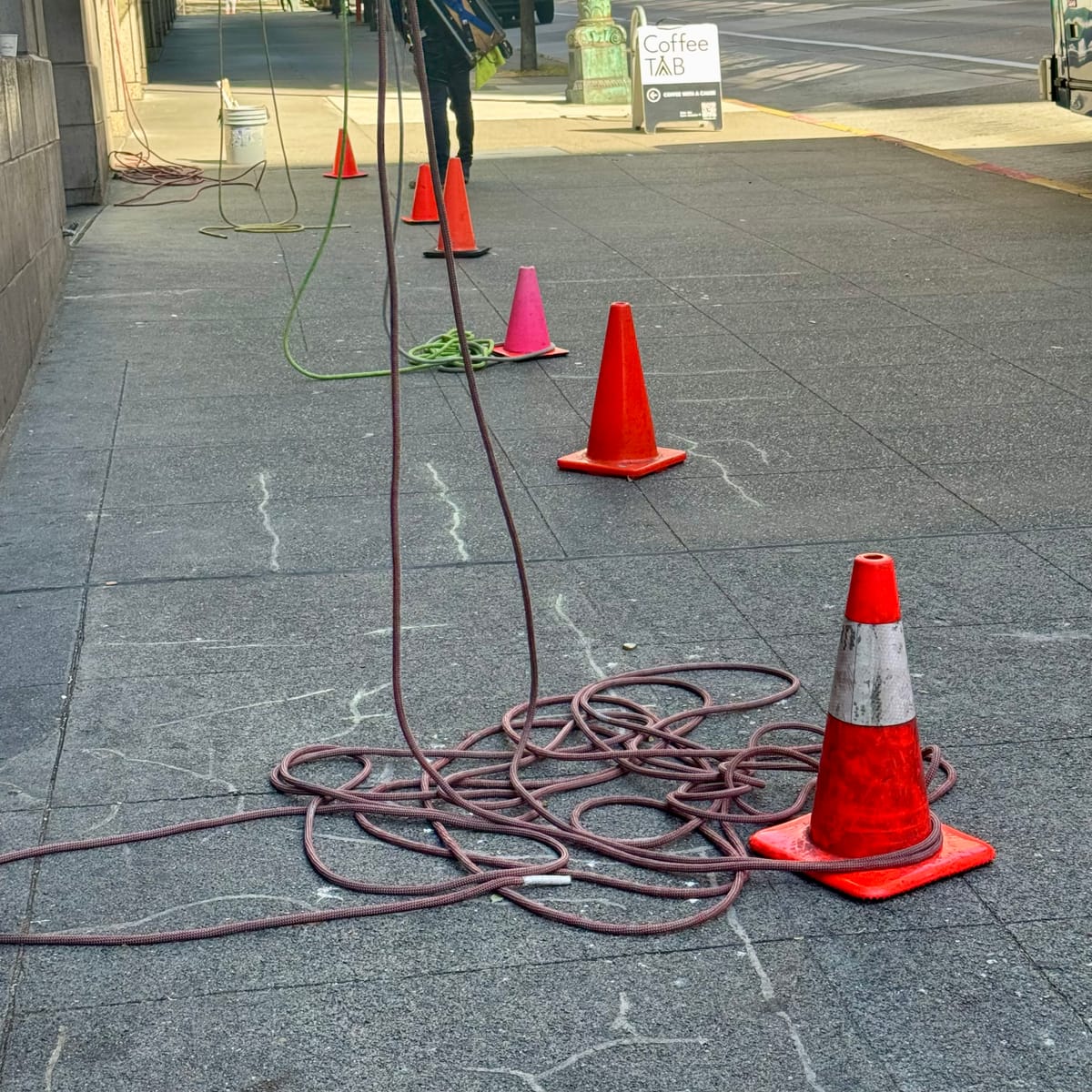
Exhaust.
Recently Apple announced that WWDC 2022 would primarily be an online event, as it has been the last two years. Much of the Apple commentariat has been talking since the 2020 conference about the superiority of online only WWDC, with many calling for a permanent shift away from an in-person annual gathering. There are a couple of reasons people cite for this which I think are valid:
Cost
A $1600 ticket and a week’s worth of travel and existence in California were very expensive.
Better content for virtual attendees
Many people found the videos designed from the beginning to be online-only more compelling when viewed at home than previous years’ solution of filming the in-person sessions. In addition to the presentation style, they didn’t have to form a coherent schedule, so an API which took 12 minutes to explain could have a 12 minute video explaining it, rather than a 30 or 60 minute presentation.
There’s another reason people often cite which I’m not convinced by: inclusivity. To be sure, in-person WWDC excludes people - it excludes people who can’t afford it, it excludes people who can’t travel to California for a week, and, having sold out every year since 2008, it excludes people who didn’t win the ticket lottery. Is this a reason not to have an in-person event at all, though? I’m not sure. In the first place, many other parts of the “writing software for Apple platforms” world are exclusive - the developer program costs $99 per year, and of course a device to write apps with costs anywhere from $999 whoops forgot about Swift Playgrounds for iPad $329 to $52,999.
Additionally, Apple has been making the conference content more available than ever over the years - session videos were first available for purchase, then free with a developer account, and eventually free with a developer account and posted during the conference, giving those who couldn’t attend the chance to get the same content with only a few days delay. Of course, there were many more people each year who wanted to attend than could attend, but given the efforts made to make the content more widely available, I don’t think that’s a slam dunk reason not to have an in-person conference at all.
There are also a couple of real benefits to an in-person event which some of the commentary is too quick to dismiss:
Community
Whether someone is a professional iOS developer or a bedroom tinkerer, or even just an interested fan, opportunities to make connections with people who share your interests are not always widely available, even without all of the truths stereotypes about most of us being introverted basement dwellers. It’s one of the reasons, for people who like such things, that sports events and concerts are so exhilarating - for a short time, the thing you like is a normal thing people like. And people often meet there.
I’m sure those suggesting that the era of in-person WWDC is over don’t mean their comments in this way, but sometimes there’s a bit of an “I got mine” feeling to the discussion. Yes, people who have been there before might not feel like there’s any further value to them personally to future in-person conferences. But calling for something to be cancelled after you’ve had your turn is the most exclusive take of all.
Better Products
As I write this, it’s been 944 days since Apple announced products in front of real live people. The company has all sorts of ways of getting user feedback, but anyone who has ever presented at an in-person event knows how much the reality of the crowd focuses your mind and drives up your desire to get things right, even way back in the product design stage. “How are people going to react when we show them the demo?” adds good pressure to a product process, and for two years now this has been missing.
There have been some memorable audience reactions at WWDC over the years, from Craig Federighi’s surprise at the amount of applause they got for fixing multiple displays in 2013, to the huge intake of breath that followed John Ternus’ announcement of the price of the Pro Stand in 2019. And WWDC is the one time of year where Apple has to brace for an audience reaction from people they didn’t invite - the crowd is well disposed to the company, certainly, but it’s not the same as a press pack. I can’t help wonder how the anticipation of facing people in person might have helped them avoid last year’s Safari misadventure.
I have no idea whether there will be another in-person WWDC, but I hope there is. I even hope the lunches are still bad.

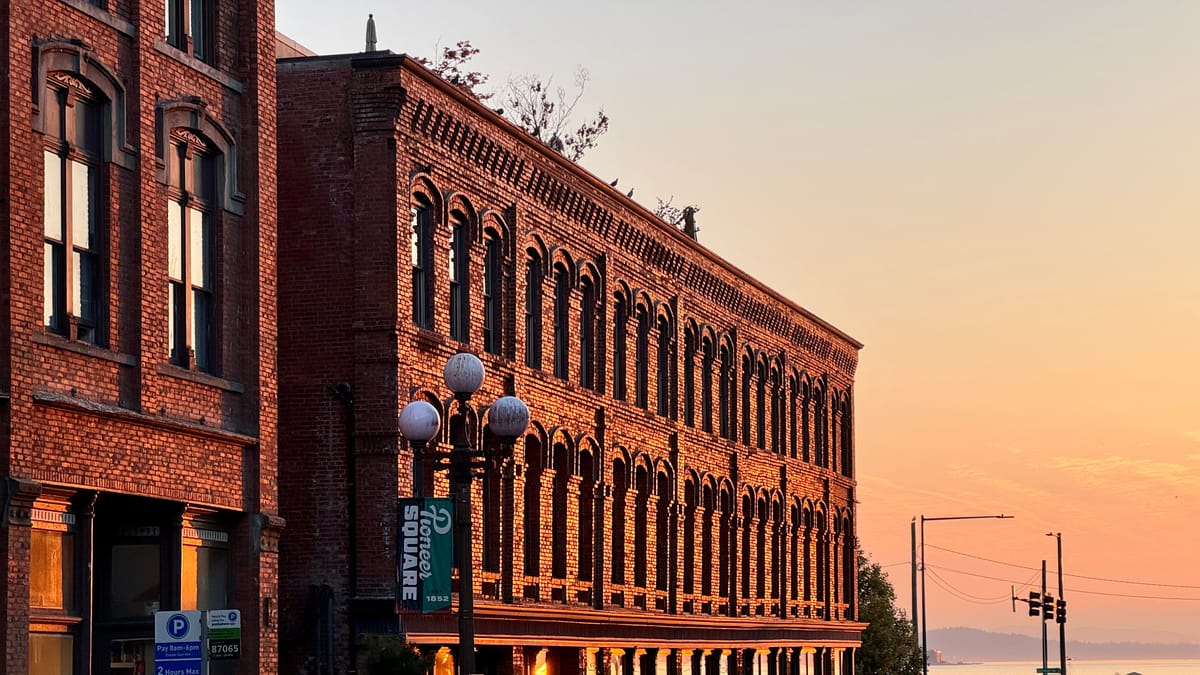
It’s a really good looking city.


That took longer than I expected.
Schedule:
Wake up in time to do all subsequent steps
Coordinate leaving the house clean and dressed with everything I need for the day
Drive to the ferry terminal
Ride the ferry for a hour. Do some work or read the newspaper(‘s iPad app)
Walk from the ferry terminal to the office
Try in vain to fit in actual work around the chaos of instant messages, meetings, drive bys, urgent emails, and the sounds of other people dealing with the same
Retrieve the salad I put in the fridge earlier, try to convince myself it’s better than finding food downtown, remember that I don’t have time to find food downtown, eat the salad
Try in vain to fit in actual work around the chaos of instant messages, meetings, drive bys, urgent emails, and the sounds of other people dealing with the same
Walk to the ferry terminal
Ride the ferry for an hour. Usually have a beer with Troy
Drive home. Usually drop off Troy first
Make/eat/cleanup dinner
Work, no longer interrupted because everyone else has stopped for the day
Go to sleep
For the last 2 years that I’ve lived here, this has been the vast majority of my Mondays-Fridays. In quaran-time, it’s been more like this:
Wake up a bit later
Clean self and teeth, put on jeans and a t-shirt
Work, still interrupted but somehow with more time overall to focus
Collect salad from fridge, convince myself it’s better than DoorDash. Remember how expensive DoorDash is. Eat salad.
Work, still interrupted but somehow with more time overall to focus
Run
Make/eat/cleanup dinner
Work, no longer interrupted because everyone else has stopped for the day
Go to sleep
The new world involves more work, more intentional exercise, and is altogether less interesting. And yet, if I think about going back to how things were in the before time, it sounds exhausting. I should say at this point that I’m aware I’m at the very bottom of people impacted by Covid. I have a job I can do from home, a home with enough space to work, and nobody else to have to organize around. There are things I wish were different in life in general, but specifically related to this crisis, I’m unbelievably fortunate. This piece isn’t about my personal circumstance, though.
Very few of the things we do throughout the day are done by conscious choice. After the first time or two, I never actively thought about how to do the drive to the ferry terminal, or whether I want to walk up the steep hike from 1st to 8th avenue to get to the office, or any of the other autopilot actions that keep us going throughout the day. And the longer we’re unable to do those things, the more those habits are being eroded. We’re going to have to relearn a lot of things.
Not just work-day related things, either. Some of us used to go to church, which meant getting up in time to be presentable on one of the days when you don’t have to. We might pretend to be virtuous and say this was always a positive, thought-out choice, but for most people, most of the time, it was habit. It’s a muscle which is atrophying, one we’ll have to train all over again, and naively we assume it’ll come back naturally. It won’t be easy.
Social interactions are not generally between people equally enthusiastic about them. Some people can’t wait to go meet x friend/check in on x relative/etc., and other people reluctantly go, knowing it’s the right thing to do, and, as with all habits, having had certain mental patterns worn in through positive reinforcement. By the time we get to use them again, the paths we travel down on autopilot will be overgrown with months of anxiety, apathy, and much else besides. It’s difficult to imagine now, because we’re all full of frustrated energy - the positives of brewery patios and coffee shops and whatever else we miss looms large. But it’s coming.
When the starting pistol fires for a return to real life, some people are going to find, perhaps to their surprise, that they don’t want to. It might be you. Or me. But we should be prepared for it. Much good has been said and written about the ways we need to bear with one another as everyone has different and unpredictable reactions to life under lockdown. I think we’re going to need just as much forbearance and patience for all of our unpredictable reactions when we’re eventually released.